The world of extraordinary mosses
Where nature’s most fascinating mosses are growing
When we think of remarkable plants, towering trees and colorful flowers often come to mind. Yet some of the world's most unique and resilient species are much smaller. Mosses, among the oldest land plants on Earth, have been thriving for over 450 million years. From icy polar landscapes to tropical cloud forests, these tiny organisms create lush green carpets and play a vital role in ecosystems worldwide.
Let's explore some of the most fascinating places on Earth where exceptional mosses can be found.
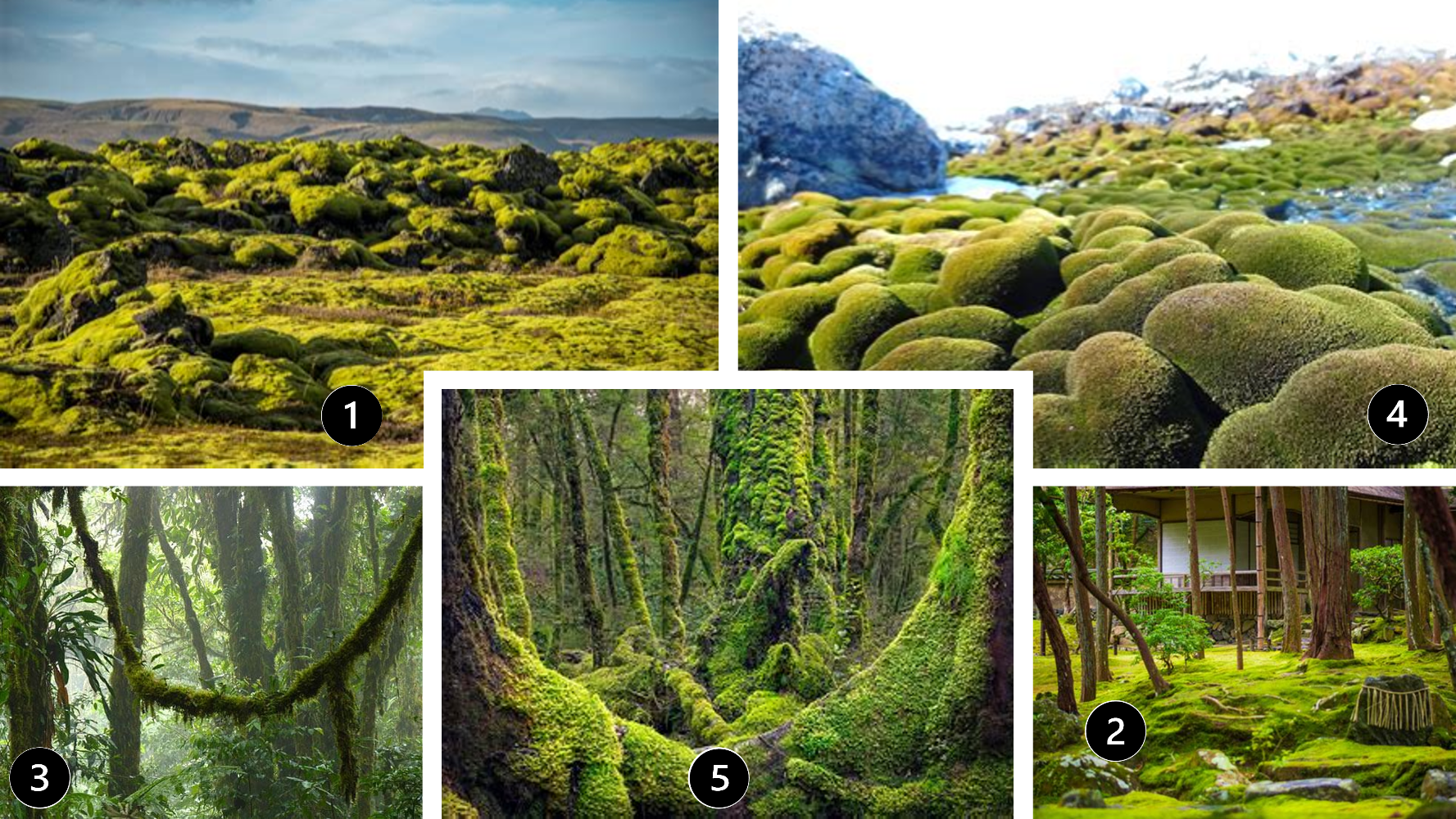
1. Iceland: Moss-covered lava fields
Iceland is famous for its dramatic volcanic landscapes, but many visitors are equally captivated by its vast expanses of velvety green moss. Species such as Racomitrium lanuginosum thrive on ancient lava fields, creating soft, almost surreal landscapes that look like something from another planet.
These moss communities grow extremely slowly, often taking decades to recover from disturbance. Their ability to colonize barren volcanic rock makes them pioneers in ecosystem development.
2. Japan: Moss gardens of Kyoto
Japan has a long cultural appreciation for moss, viewing it as a symbol of tranquility, age, and natural beauty. One of the most famous examples is Saihō-ji, also known as Kokedera or the Moss Temple, near Kyoto.
More than 120 species of moss thrive in the temple gardens, forming intricate green mosaics beneath ancient trees. The humid climate and carefully preserved environment create ideal conditions for spectacular moss diversity.
3. Costa Rica: Mosses of the cloud forest
High in the mountains of Costa Rica, cloud forests provide one of the world's richest habitats for mosses. Constant moisture from drifting clouds allows countless species to cover tree trunks, branches, and forest floors.
These mosses serve as natural water reservoirs, helping regulate local ecosystems. They also provide habitat for insects, amphibians, and microorganisms, making them critical contributors to biodiversity.
4. Antarctica: Mosses at the edge of life
Surprisingly, some mosses are among the few plants capable of surviving Antarctica's harsh conditions. Species such as Bryum pseudotriquetrum endure freezing temperatures, intense winds, and long periods of darkness.
Researchers have discovered that Antarctic mosses can remain dormant for years and resume growth when conditions improve. Their remarkable resilience offers valuable insights into plant adaptation and climate change.
5. New Zealand: Ancient moss forests
New Zealand hosts an extraordinary diversity of moss species thanks to its mild climate and geographical isolation. In regions such as Fiordland and the West Coast rainforests, mosses drape over trees, rocks, and forest floors in thick emerald layers.
Many species found here occur nowhere else on Earth, contributing to New Zealand's reputation as a hotspot for botanical uniqueness.
Mosses and their benefits
Despite their small size, mosses provide enormous ecological benefits:
- They help retain water and reduce soil erosion.
- They store carbon and contribute to climate regulation.
- They provide habitats for countless microorganisms and insects.
They are often among the first organisms to colonize disturbed environments.
Scientists are increasingly studying mosses not only for their ecological importance but also for their unique biochemical properties. Their exceptional ability to survive environmental stress has inspired research in fields ranging from medicine to sustainable agriculture and cosmetic science.
From Iceland's volcanic landscapes to Antarctica's frozen deserts, mosses demonstrate nature's remarkable adaptability. These ancient plants may be small, but they are powerful survivors, ecosystem engineers, and silent witnesses to millions of years of Earth's history.
The next time you encounter a patch of moss, take a closer look. Beneath its soft green surface lies one of nature's oldest and most extraordinary success stories.